Hands-on Manipulatives for ELL Comprehension
Michelle Hollander
Director of Educational Content
News

Learning a language can be fun but it can also be a bit overwhelming at times. When learning English, it can be especially difficult due to the unique nuances. Between idioms, words that start with silent letters, to homographs and tenses, there is a lot to take in. To top it off, some letter combinations have different sounds depending on the word. Just practice saying these “ou” words: though, through, tough, brought, or could. Try “ch” words, such as school, machine, and chair to hear the differences in pronunciation. In order to make learning more accessible, we suggest using hands-on manipulatives to help ELL/MLL students engage with a tactile purpose.
Having real-life – objects, materials, and artifacts – as well as images to illustrate the topics being covered is an important first step, but you can take these connections even further with these following ideas.
Smash Mats
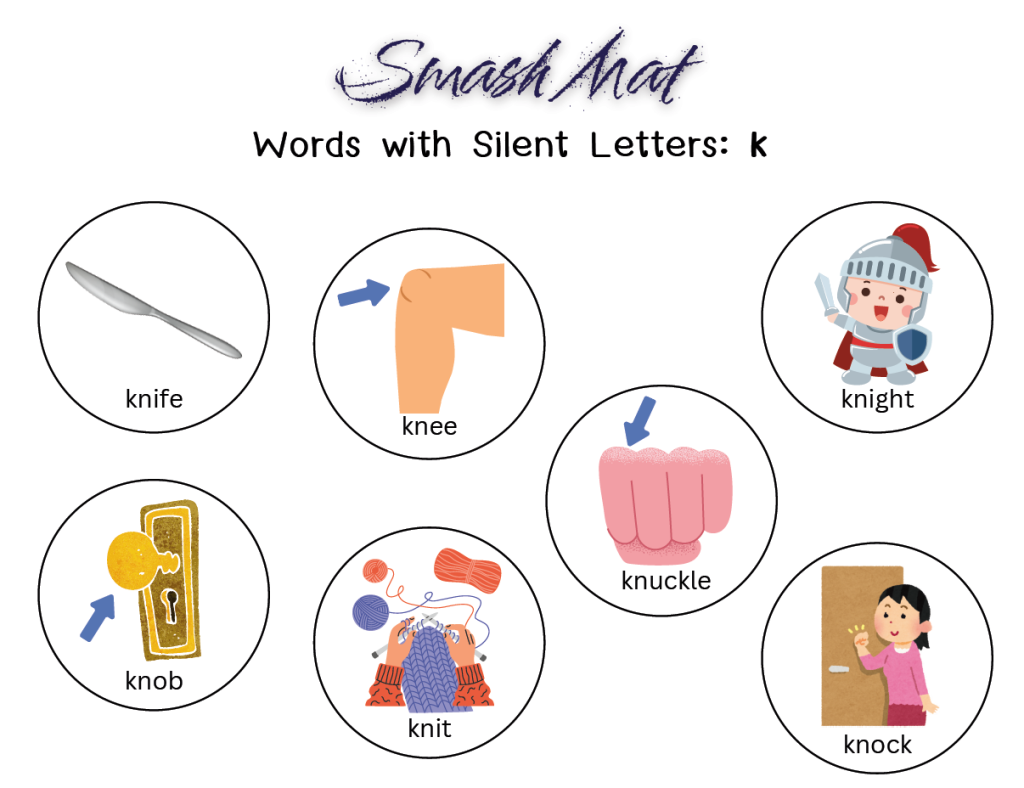
Smash Mats are sheets printed with vocabulary words, pictures, or even math concepts. For this activity, you can describe a word to students and have them find it on their mat. Once they locate the correct word, they will smash a piece of dough on top of it, and practice saying it aloud. These sheets can be used repeatedly if you laminate them or place them in a sheet protector. They also provide visual reinforcement and help students develop fine motor skills, which makes it a great activity for early childhood education, as well.
Matching games and puzzles
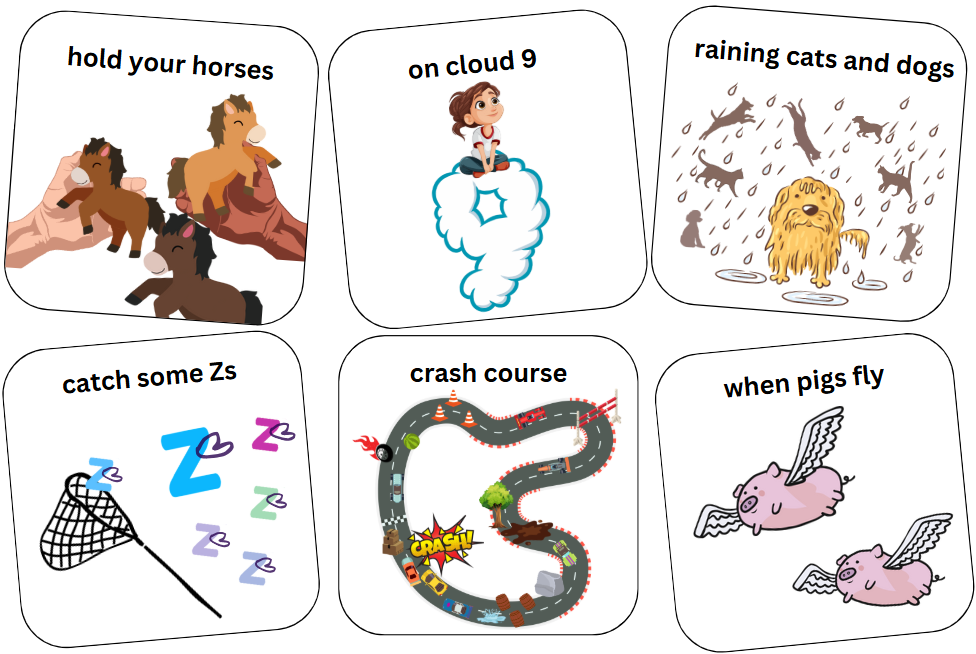
Playing memory games is another interactive way to practice learning concepts. They’re particularly helpful when trying to understand figurative language and idioms. In the “Idiom Matching” activity, students get to practice their understanding of silly sayings by matching a selection of common idioms and images with their correct meanings. The cards feature literal images along with the meaning of these phrases to make the concepts more fun and memorable.
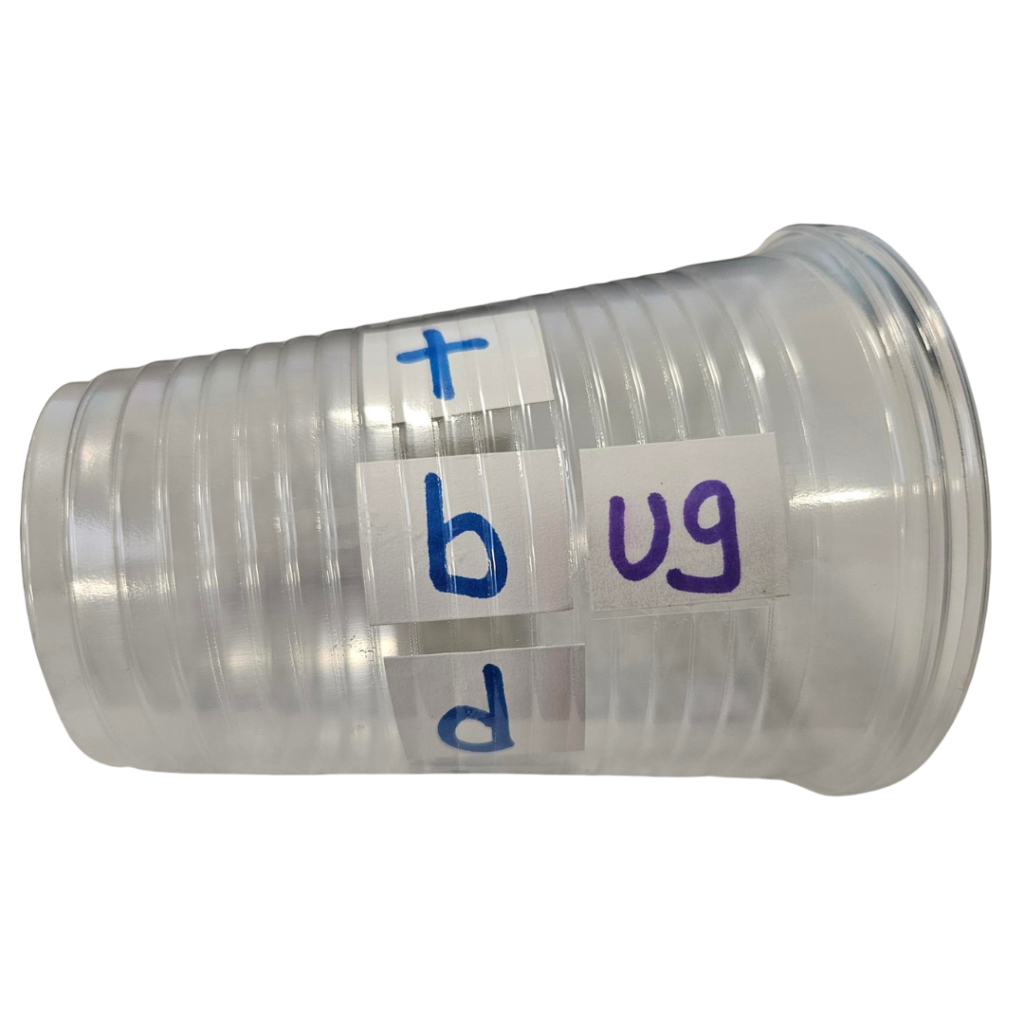
Other types of puzzles can be created using letter tiles. Whether you decide to engrave your own using xTool’s laser cutter, use existing game pieces, or magnets, the possibilities are endless. Place CVC (consonant, vowel, consonant) letters into a plastic egg for some “Scrambled Eggs” and have students spell out the word. You can even include a small plastic figure or picture to help students out. For instance, add the letters c-a-t and a cat figure for reinforcement. Then, practice word families by creating spelling wheels or cups. Simply write a word ending such as “ug” on a cup, grab a second cup, place it on top of the first one, and add all of the corresponding letters that form common words. Simply turn the cup like a dial to see the potential word matches.
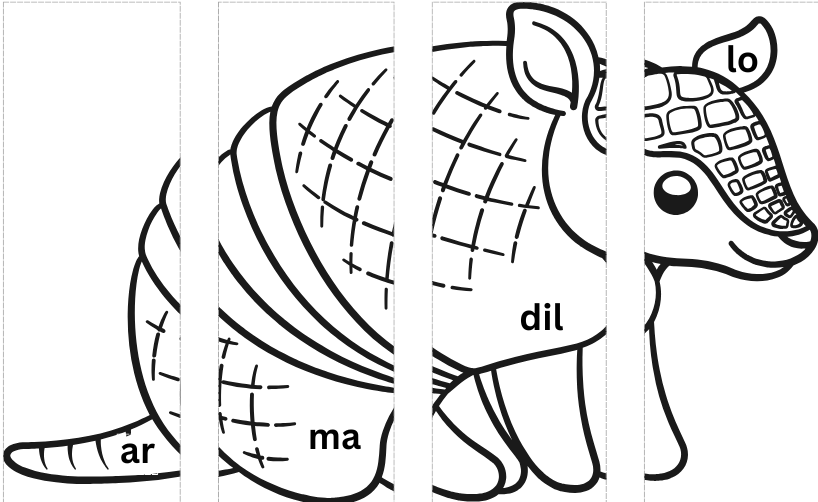
Students can also piece together image and syllable puzzles to practice how many syllables are in a word. We have created resources, which are available for free, on OTIS for educators so you can simply print, cut, and go!
Discussion starters and storytime activities
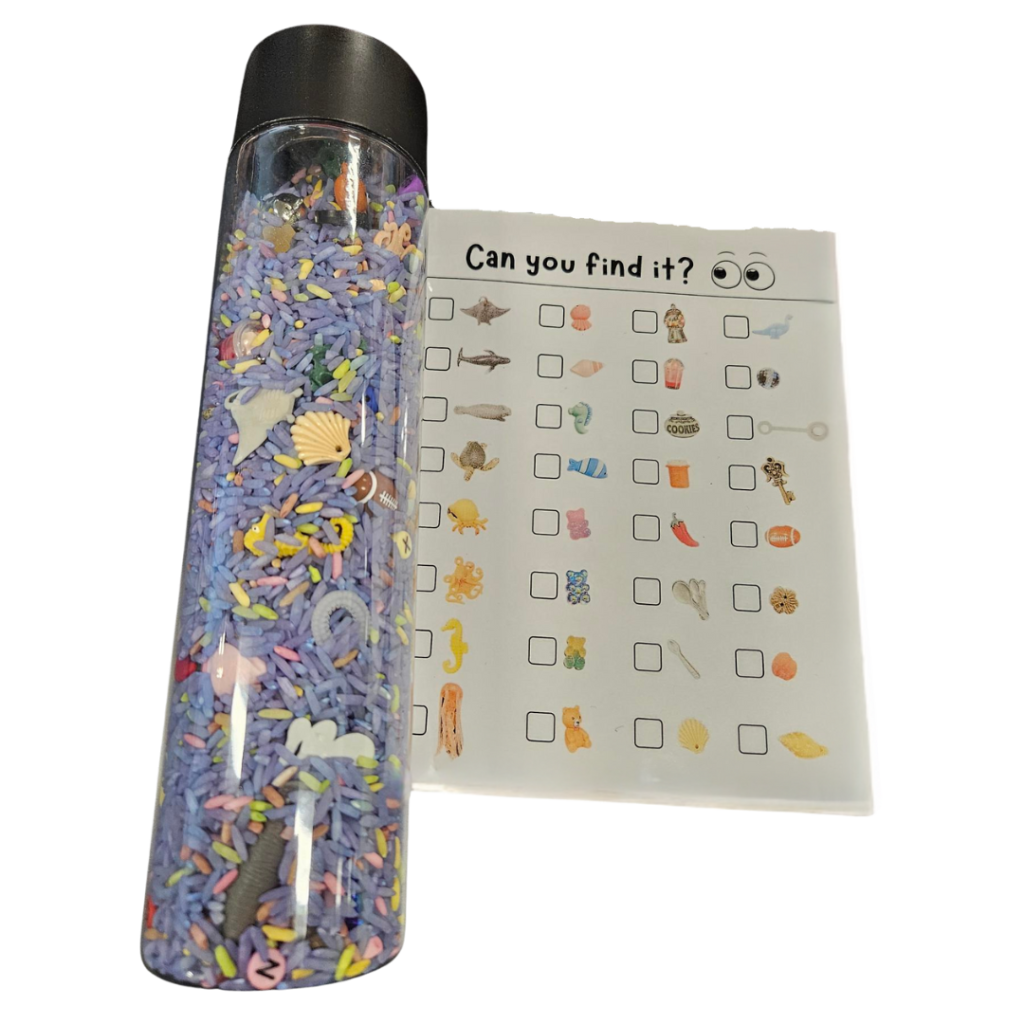
Sensory “find-it” bottles are simply bottles filled with colored rice and a variety of hidden objects. Students look for these objects by shaking, shifting, and manipulating the bottle. You can start simple by showing students an image of each object to find or you can describe the object and then have students look for it. This concept falls in line with “mystery bags” or boxes – where students feel for an object and describe it before guessing what it is. If you have the time and space, you can also create scavenger hunts for the class to follow. If they’re up for the challenge, students can write their own instructions to practice their language skills.
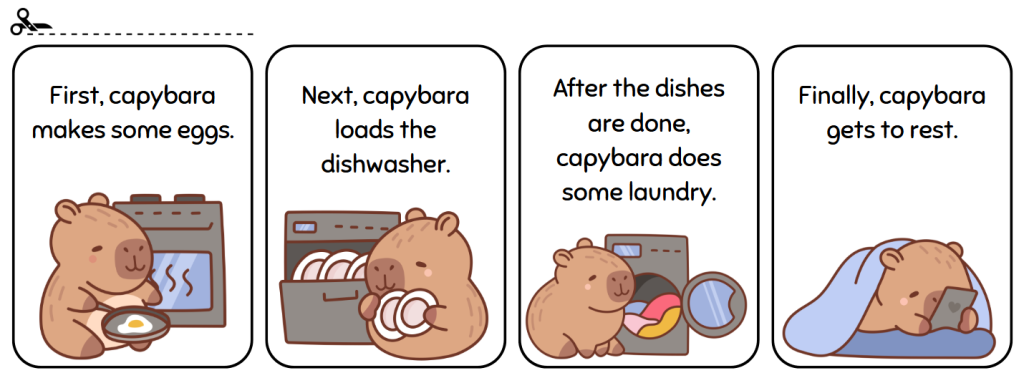
These ideas may inspire students to start their creative writing journey. To kick start the process, you can provide story starters such as stones, cubes or spinners. Sequence cards provide another avenue for students to strengthen their understanding with visual and textual clues.
Digital manipulatives
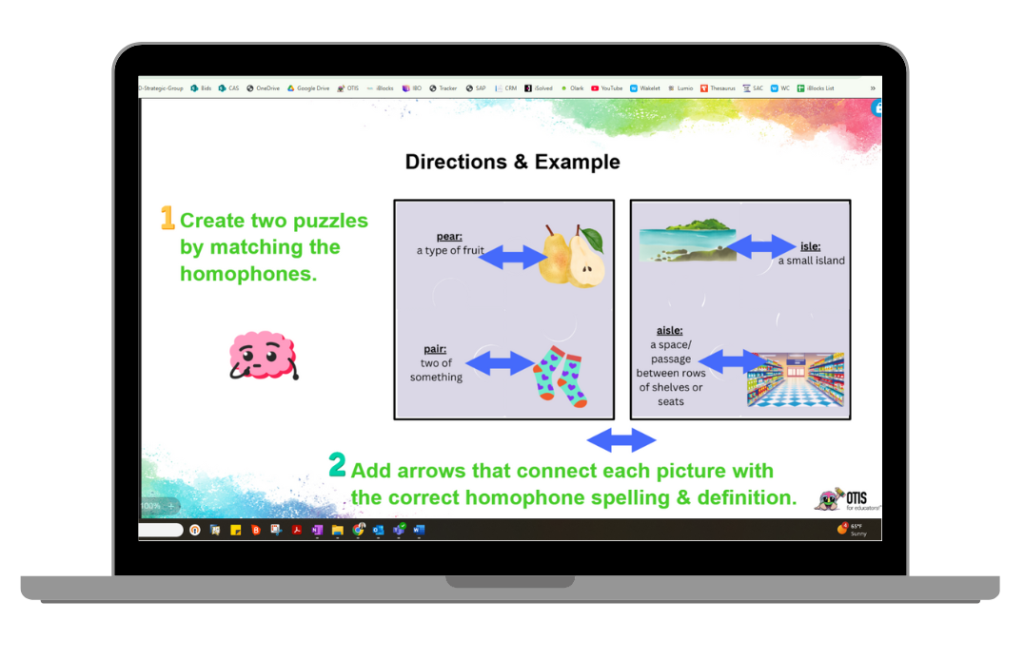
Hands-on learning can incorporate screens when appropriate. Lumio by SMART Technologies provides a variety of games and activities that allow students to move and manipulate objects. Match and sort rhymes or even put together virtual homophone puzzles to explore words that sound the same but have different meanings.
These are just a few examples of the unlimited ideas you can use to support multi-language learners and even ELA students. To see these ideas and more, check out the course Hands-on Language: Manipulatives for ELL/MLL Comprehension on OTIS for educators! Don’t forget to check out the Edu Resources page for downloadable activities and Canva for customizable templates.
For more tips, tricks, and tools for teaching in and out of the classroom, check out more content on the Teq Talk blog or our YouTube channels OTIS for educators and Tequipment.
We also offer virtual professional development, training, and support with OTIS for educators. Explore the technology and strategies that spark student success — no matter where teaching or learning are happening!
Follow us on social:
 edteq
edteq  OTIS4educators | Teq Products | iBlocks
  MyTeq
MyTeq  Teq
Teq
Related Articles & Other Recommended Reading
Top 10 Ways to Celebrate Pi Day
Did you know that the first official Pi Day celebration occurred in 1988 at the Exploratorium in San Francisco? In America, we celebrate on March 14th because 3.14 are the first digits of the mathematical constant known as pi. However, in areas such as the United Kingdom, people celebrate on July 22nd. Why? This is […]
7 New PD Courses to Transform Your Classroom for February 2026
Get ready for Digital Learning Day on February 26th! Celebrate with 7 brand-new OTIS courses that make edtech integration easy. From AI-driven lesson planning to interactive classroom tools, master the tech your students love, without the steep learning curve. Here are 7 new PD courses to transform your classroom for February 2026! Check Out What’s […]

Check out our PD Micro-Credential: The Science of Reading
Earlier this year, OTIS for educators launched a PD micro-credential focused on “The Science of Reading.” This 10-part online course takes just under eight hours to complete. “The Science of Reading” micro-credential PD provides participants with a solid foundation of the tenets of reading instruction. We will delve into each component, critical for understanding the […]