4 Elements Required to Create an Effective Rubric
Adam Fragale
Curriculum & PD Specialist
iBlocks

Project-Based Learning or PBL, is an effective teaching method, in which students learn by actively engaging in meaningful and real-world projects. These projects are student-led and designed to foster the growth of 21st-century skills, such as collaboration, problem-solving, and communication. With PBL, you can blend content mastery and meaningful work to create powerful learning experiences, such as an effective rubric.
Don’t shy away from PBL assessments!
One of the top reasons teachers shy away from implementing PBL into their classroom is that they are unsure about how to align it to state standards, as well as how to grade the project. Luckily, our dynamic PBL solutions, iBlocks, align to curriculum-standards and can help create student-led projects.
Creating a rubric used to be a daunting task, but with the help of iBlocks and AI educational tools, it’s now easier than ever! If you know the desired outcome of your PBL project, you’re one step closer to creating an effective rubric for assessment.
Here are four elements required to create an effective rubric:
1. Know your criteria
Working backwards and knowing the outcome you want students to achieve helps create specific and measurable skills that are aligned to your learning objectives and classroom goals.
2. Performance Levels
When creating an effective rubric for a project, students need to know the level at which they need to perform. Create a rubric in which you describe the quality of work. Using clear labels such as “exemplary, proficient, beginning, and failure” are some of the most effective words to use when describing the grading scale.
3. Descriptions
An effective rubric includes specific details that explain exactly what a student’s work should look like. Go into depth by explaining the criteria for each performance level. Don’t forget to lay out a checklist of goals that students should meet to excel in their projects.
4. Scale/Points
The final component of creating an effective rubric is assigning a numerical value or percentage to each performance level. This allows for straightforward grading that is consistent and objective across the board.
See, that wasn’t so hard. Now it’s time to take advantage of the AI tools available to you and get on the path to implementing Project-Based Learning in your classroom. Check out some of our amazing courses on Assessment in PBL, Project-Based Learning for ELLS, and Best Practices for Using AI to Support Differentiation on OTIS for educators.
An overall look at OTIS for educators
Visit the online PD course calendar for a complete list of courses for November. Furthermore, with OTIS for educators, you’ll always get:
Related Articles & Other Recommended Reading
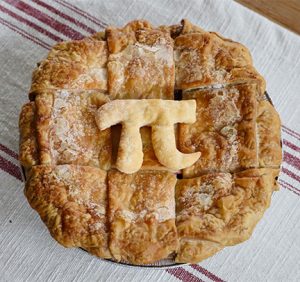
Top 10 Ways to Celebrate Pi Day
Did you know that the first official Pi Day celebration occurred in 1988 at the Exploratorium in San Francisco? In America, we celebrate on March 14th because 3.14 are the first digits of the mathematical constant known as pi. However, in areas such as the United Kingdom, people celebrate on July 22nd. Why? This is […]
7 New PD Courses to Transform Your Classroom for February 2026
Get ready for Digital Learning Day on February 26th! Celebrate with 7 brand-new OTIS courses that make edtech integration easy. From AI-driven lesson planning to interactive classroom tools, master the tech your students love, without the steep learning curve. Here are 7 new PD courses to transform your classroom for February 2026! Check Out What’s […]
Check out our PD Micro-Credential: The Science of Reading
Earlier this year, OTIS for educators launched a PD micro-credential focused on “The Science of Reading.” This 10-part online course takes just under eight hours to complete. “The Science of Reading” micro-credential PD provides participants with a solid foundation of the tenets of reading instruction. We will delve into each component, critical for understanding the […]