3 Reasons to Teach Social Media Safety and 4 Ways to Do It
Cori Frede
PD Specialist
News
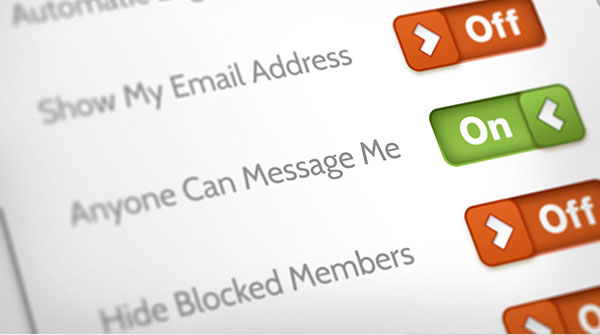
In today’s digital age, social media has become as much a part of our lives as fast food restaurants, even for K-12 students. Like fast food, we may know it’s not the best for us, we may say it should be avoided. At the end of the day, we still wind up there. While social media has the chance to be good, it also presents risks that its youngest users may not fully understand. Therefore, it is essential to teach about social media safety in the K-12 environment. Educators can help students navigate the online world responsibly and confidently.
Why teach social media safety to K-12 students
1) Personal information protection: K-12 students need to grasp the importance of safeguarding personal information online. This includes information like full names, addresses, phone numbers, and school details. These details should not be shared casually on social media because they can easily be accessed for nefarious reasons. A non-profit organization in Europe demonstrated how easy it is to scrape the internet for personal information with their “Give Us a Like for a Free Coffee” experiment. They opened a pop-up coffee house and offered free coffee in exchange for Facebook likes. The group then wrote all the person’s personal information on the cups before handing out the free coffee.
2) Online reputation: While students think social media is just fun and games with a small chance of becoming famous, they need to understand that their online actions can impact their future. Colleges and employers inspect social media profiles, and a post today can haunt you tomorrow. Celebrities are a great example of this because posts from years earlier can be dug up and shared to paint them in a negative way. An article written by The Princeton Review shares how college admission officers are reviewing social media and what students can do to show themselves in a better way.
3) Cyberbullying: Social media, unfortunately, makes it easier for bullies to hide behind a screen. Unlike bullying in the classroom, it’s often difficult to report cyberbullying. Teaching students how to recognize and report bullying behavior is crucial for their well-being.
Teaching strategies for social media safety
1) Digital literacy: Social media safety includes making sure students are able to think critically and evaluate online sources. Check out these curriculums available through organizations such as Common Sense Media and Google’s Be Internet Awesome.
2) Guest speakers: Students often relate better to guest speakers because they are not seen as authority figures. Work with local organizations and perhaps colleges to bring in speakers that are relatable and closer to the students’ age. Technology allows you to bring guests into the classroom virtually which provides more opportunities.
3) Closed platforms: While platforms such as X (formerly Twitter) and TikTok are public and difficult to monitor, schools can create closed platforms for students to communicate with each other in a safe environment. Using closed platforms that can be monitored by teachers allows students to practice smart internet use.
For video platforms such as TikTok and YouTube, teachers can use Flip. Students can mimic trending viral videos through Flip, and respond to their peers’ videos. While students are practicing creative sharing and meaningful commenting, teachers can monitor and assist in learning good digital citizenship. To safely practice platforms such as X and Instagram, teachers can create channels in Microsoft Teams or a separate social classroom on Google Classroom. Students will be able to post, share images, and respond to each other.
4) Family involvement: Teachers can only do so much, so getting parents or guardians engaged is one of the most effective ways to help protect students. Host workshops for adult figures to teach them about current trends in social media and what they can do to keep their child safe online.
Key takeaways
Social media is as large a part of daily life as the internet itself. When used appropriately, it can help people stay connected with friends and family, provide an outlet for expression, and more. However, social media can unfortunately also be used to spread misinformation and hate speech. As educators, it is our responsibility to help students practice proper use of social media. Being smart and safe online can empower them to make informed decisions, protect their privacy, and navigate the digital world responsibly. By using interactive strategies and real-life examples, we can equip students with the skills and knowledge they need to thrive in today’s digital age, while also staying safe online.
We have tons of links and resources available on OTIS for educators, including the course, Web Safety for Students. Make sure to check out OTIS and all that we have to offer to help you keep your students safe online!
For more tips, tricks, and tools for teaching in and out of the classroom, check out more content on the Teq Talk blog or our YouTube channels OTIS for educators and Tequipment.
We also offer virtual professional development, training, and support with OTIS for educators. Explore the technology and strategies that spark student success — no matter where teaching or learning are happening!
Follow us on social:
 edteq
edteq  OTIS4educators | Teq Products | iBlocks
  OTIS4educators | MyTeq
  Teq
Teq
0 thoughts on “3 Reasons to Teach Social Media Safety and 4 Ways to Do It”
Related Articles & Other Recommended Reading

Top 10 Ways to Celebrate Pi Day
Did you know that the first official Pi Day celebration occurred in 1988 at the Exploratorium in San Francisco? In America, we celebrate on March 14th because 3.14 are the first digits of the mathematical constant known as pi. However, in areas such as the United Kingdom, people celebrate on July 22nd. Why? This is […]
7 New PD Courses to Transform Your Classroom for February 2026
Get ready for Digital Learning Day on February 26th! Celebrate with 7 brand-new OTIS courses that make edtech integration easy. From AI-driven lesson planning to interactive classroom tools, master the tech your students love, without the steep learning curve. Here are 7 new PD courses to transform your classroom for February 2026! Check Out What’s […]

Check out our PD Micro-Credential: The Science of Reading
Earlier this year, OTIS for educators launched a PD micro-credential focused on “The Science of Reading.” This 10-part online course takes just under eight hours to complete. “The Science of Reading” micro-credential PD provides participants with a solid foundation of the tenets of reading instruction. We will delve into each component, critical for understanding the […]