Makerspace Activities That Lead to Robotics
Laura Jakubowski
PD Specialist
iBlocks

What is a Makerspace?
“Makerspaces” are a hot topic in education. They’re also one of the most important places where students can learn applicable skills with real, tangible materials in front of them. Most teachers who create makerspaces include a good bit of “making,” be it with wood, plastic, recyclable material, or everyday objects. Then, they complement it with technology such as Arduino boards, pi-tops, or robotics.
We’ve collected a few favorite projects that you can complete in your makerspace. These makerspace activities will lead students to understand materials, mechanics, and design prior to building robots and coding them.
Hear are three fantastic makerspace classroom projects that lead students to robotics
1. Build a “Robotic” Hand
Leads student to: Robotics and Coding
Students will learn how to create a robotic hand and engineer its movements with pulls of string. This type of project can lead to discussions about joints, bones, and human movement, as well as discussions on the next steps: coding robot movement, designing a robotic hand, and realistic logistics of movement.

2. Float a Boat
Leads student to: Robotics machinery and the Engineering Design Process
Creating a boat with students is seriously fun, as I found out in a classroom a few days ago. Give the students limited materials, and then have them construct their boat to sink or float. The real strength of this project lies in introducing students to a key concept of STEM: that there is more than one way to solve a problem. This means that designing a product is about constantly revising and modifying in the improvement stage. Thus, this project is the perfect way to introduce your students to the Engineering Design Process, which is commonly used in Robotics.
3. Build a Balloon-Powered Car
Leads students to: Robotics and 3D printing
Determining how to power a car is not an easy feat, but sometimes designing a car can be even tougher. With this project, students will be forced to think about space, weight, height, width, velocity, movement, and force. All important concepts! This type of project lends itself nicely to first designing on paper, and then designing in a CAD software to 3D print your design. This is the true marriage of making + technology in makerspaces.
Watch the video below to learn more about the project, or visit the link.
Just remember, there are hundreds of cool projects out there for your makerspace. Look around the interwebs and our Teq Online PD platform to find awesome things to try with your students to make the most of your STEM labs and makerspaces!
To learn more about teaching students STEM in your classroom, check out our library of courses on STEM Education.
One thought on “Makerspace Activities That Lead to Robotics”
-
Pingback: Freedom, Access, Diversity: My librarianship philosophy – Stacy Torian
Related Articles & Other Recommended Reading
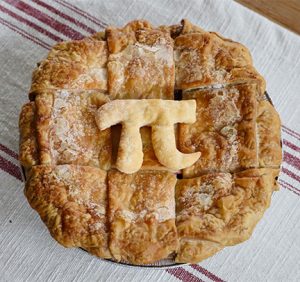
Top 10 Ways to Celebrate Pi Day
Did you know that the first official Pi Day celebration occurred in 1988 at the Exploratorium in San Francisco? In America, we celebrate on March 14th because 3.14 are the first digits of the mathematical constant known as pi. However, in areas such as the United Kingdom, people celebrate on July 22nd. Why? This is […]

7 New PD Courses to Transform Your Classroom for February 2026
Get ready for Digital Learning Day on February 26th! Celebrate with 7 brand-new OTIS courses that make edtech integration easy. From AI-driven lesson planning to interactive classroom tools, master the tech your students love, without the steep learning curve. Here are 7 new PD courses to transform your classroom for February 2026! Check Out What’s […]

Check out our PD Micro-Credential: The Science of Reading
Earlier this year, OTIS for educators launched a PD micro-credential focused on “The Science of Reading.” This 10-part online course takes just under eight hours to complete. “The Science of Reading” micro-credential PD provides participants with a solid foundation of the tenets of reading instruction. We will delve into each component, critical for understanding the […]